Can I Put Cold Milk in a Stainless Steel Bottle?
Safety, Storage Time, and What You Should Know
Stainless steel bottles are commonly used for water, tea, and cold drinks. But when it comes to milk—especially cold milk—many people hesitate. Milk is different from water. It contains proteins, fats, and natural sugars. It can spoil quickly if not stored properly.
So the real question isn’t just “Can I put milk in a stainless steel bottle?” It’s:
- Is stainless steel safe for milk?
- Will milk react with metal?
- How long can milk stay in a steel bottle?
- Will it leave odors or stains?
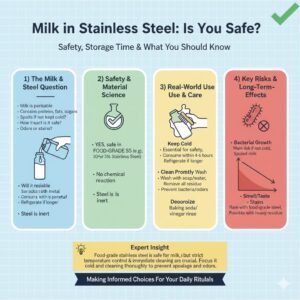
The short answer is yes, you can put cold milk in a stainless steel bottle. Food-grade stainless steel does not chemically react with milk. However, milk is highly perishable, so temperature control and cleaning matter far more than the bottle material itself.
Key Takeaways
- Food-grade stainless steel is safe for storing milk
- Milk does not chemically react with quality stainless steel
- The main risk is bacterial growth due to temperature
- Insulated bottles help maintain cold temperatures
- Proper cleaning prevents odor and residue buildup
Is Stainless Steel Good for Milk?
Yes. In fact, stainless steel is widely used in the dairy industry.
Why Stainless Steel Is Used in Dairy Processing
Milk processing equipment—storage tanks, piping systems, pasteurization chambers—is typically made from 304 or 316 stainless steel. These grades are used because they:
- Resist corrosion
- Do not react with dairy proteins or fats
- Are easy to sanitize
- Maintain structural integrity under temperature changes
If stainless steel is trusted for industrial milk storage and processing, it is generally safe for personal milk storage in a bottle.
Does Milk React with Stainless Steel?
Milk has a near-neutral pH (around 6.5–6.7). It is far less acidic than citrus juice or soda. Because of this:
- It does not corrode high-quality stainless steel
- It does not chemically break down the metal
- It does not release metal particles under normal conditions
As long as the bottle is made from food-grade stainless steel (commonly labeled 18/8 or 304 steel), chemical reaction is not a concern.
Can You Put Cold Milk in a Stainless Steel Thermos?
Yes—but temperature control is critical.
Milk is highly perishable because it contains nutrients that support bacterial growth. If milk warms above refrigeration temperatures, spoilage accelerates.
Insulated vs Non-Insulated Bottles
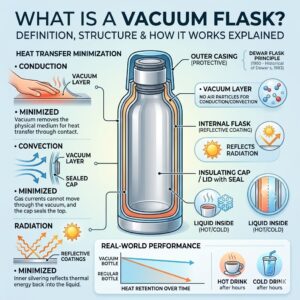
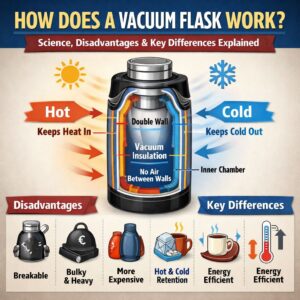
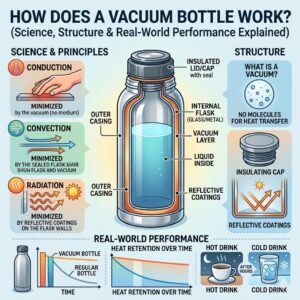
Double-Wall Insulated (Vacuum) Bottles
- Designed to maintain temperature for hours
- Better for transporting milk
- Help slow bacterial growth if milk is kept cold
Single-Wall Steel Bottles
- Do not maintain cold temperature
- Milk warms quickly at room temperature
- Suitable only for short-term storage
If transporting milk outside the refrigerator, an insulated bottle is strongly recommended.
How Long Can Milk Stay in a Steel Bottle?
This depends entirely on temperature.
- If kept at refrigerator temperature (below 40°F / 4°C): safe for several hours
- If stored in an insulated bottle with ice: typically safe for 2–4 hours
- If left at room temperature: spoilage can begin within 1–2 hours
The bottle does not prevent spoilage. Only temperature does.
Is Stainless Steel Good for Milk in Daily Use?
Yes, but regular cleaning is essential.
Milk contains:
- Proteins
- Fat globules
- Lactose (milk sugar)
These components can stick to surfaces and create residue if not cleaned promptly.
Odor and Residue Concerns
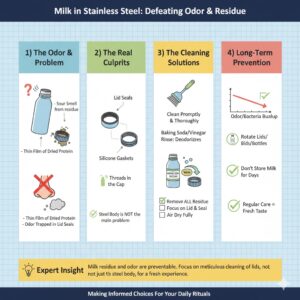
Even though stainless steel is non-porous, milk can leave:
- A sour smell if residue remains
- A thin film of dried protein
- Odor trapped in lid gaskets
Most “milk smell” complaints are caused by:
- Lid seals
- Silicone rings
- Threads in the cap
The steel body is rarely the main problem.
What Not to Put in a Stainless Steel Bottle
While milk is safe, certain liquids require caution.
Highly Acidic Liquids
- Lemon juice
- Vinegar drinks
- Strong citrus blends
Extended storage of strong acids may gradually weaken the protective layer.
Carbonated Beverages
Carbonation creates internal pressure. In a sealed bottle, this can:
- Stress the lid
- Cause sudden release when opened
- Increase leak risk
Fermented Drinks
Fermentation produces gas and acidity, increasing pressure and corrosion risk.
Dairy Left Uncleaned
Milk or protein drinks left unwashed can:
- Produce strong odors
- Support bacterial growth
- Leave stubborn residue
This is a hygiene issue, not a material issue.
Can We Store Cold Drinks in a Steel Bottle?
Yes. Stainless steel is suitable for most cold drinks, including:
- Water
- Iced tea
- Cold coffee
- Juice (short-term)
- Milk
However, beverages with high sugar or fat content require prompt cleaning.
Risks of Storing Milk in Stainless Steel Bottles
The real risks are biological, not chemical.
Bacterial Growth
Milk supports bacterial growth if:
- Stored above refrigeration temperature
- Left in warm environments
- Sealed tightly without cooling
An insulated bottle slows temperature change but does not eliminate risk.
Odor Retention
Milk fats can cling to:
- Gaskets
- Lid crevices
- Narrow mouth openings
Deep cleaning of removable parts is necessary.
Cleaning Challenges
Milk residue is harder to remove than water residue. For proper cleaning:
- Use warm water and mild detergent
- Disassemble the lid fully
- Allow parts to dry completely
Periodic deep cleaning with baking soda or diluted vinegar can help remove odor buildup (follow manufacturer guidelines).
Best Practices for Storing Cold Milk in Stainless Steel
To safely store milk:
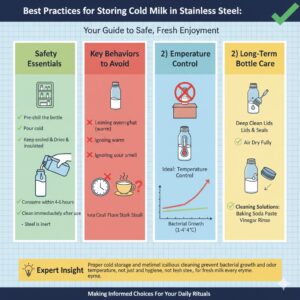
- Pre-chill the bottle in the refrigerator
- Pour in cold milk directly from refrigeration
- Keep the bottle sealed and insulated
- Consume within a few hours
- Clean immediately after use
Avoid:
- Leaving milk overnight in a warm bottle
- Sealing warm milk
- Ignoring sour smell as a warning sign
When Stainless Steel May Not Be Ideal for Milk
Stainless steel may not be ideal if:
- You cannot refrigerate during transport
- The bottle is not insulated
- You cannot clean it promptly
- You frequently store milk for extended periods
In such cases, glass containers may offer easier odor removal, though they lack durability.
Final Verdict
Yes, you can put cold milk in a stainless steel bottle.
Food-grade stainless steel does not react with milk and is widely used in dairy processing. The primary concerns are not corrosion or chemical reaction—but temperature control and hygiene.
If you:
- Keep milk cold
- Use an insulated bottle when needed
- Clean the bottle thoroughly after use
Stainless steel is a safe and practical option for storing cold milk.
FAQ
Can you put cold milk in a stainless steel thermos? Yes. An insulated thermos is preferable for maintaining a safe temperature.
Is stainless steel good for milk? Yes. Food-grade stainless steel is safe and non-reactive with dairy.
What not to put in a stainless steel bottle? Highly acidic liquids, carbonated beverages under pressure, and dairy left uncleaned for long periods.
Can we store cold drinks in a steel bottle? Yes. Steel bottles are suitable for most cold beverages when cleaned properly.