What Is the Best Insulated Water Bottle?
Ievads
Insulated water bottles have become a daily essential for many people—from commuters and office workers to athletes and hikers. A good bottle can keep water cold throughout a workout, maintain coffee temperature during a morning commute, or provide refreshing hydration on long outdoor trips.
However, the question “what is the best insulated water bottle?” does not have a single universal answer. The best bottle often depends on how it will be used. Someone who needs a lightweight bottle for the gym may prioritize portability, while a hiker might care more about durability and long-term temperature retention.
Despite different use cases, the best insulated bottles tend to excel in several core areas:
- Temperature retention
- Leak-proof reliability
- Durable construction
This guide explains the key technologies and design factors that determine bottle performance. By examining insulation methods, materials, lid designs, and real-world usability, readers can better understand how to choose the best insulated water bottle for their needs.
What Makes an Insulated Water Bottle the “Best”
Key Metrics: Temperature Retention and Leak-Proof Design
The most important function of an insulated water bottle is to maintain beverage temperature for extended periods.
High-quality bottles typically advertise performance such as:
- 12–24 hours of cold retention
- 6–12 hours of heat retention
Several engineering factors influence these results:
- insulation structure
- quality of the vacuum layer
- lid sealing performance
- wall thickness
Leak prevention is another essential factor. A poorly sealed bottle can cause spills inside backpacks or gym bags.
Reliable insulated bottles typically use:
- silicone gasket seals
- threaded closures
- pressure-resistant lids
Engineering studies on thermal containers suggest that airtight sealing combined with vacuum insulation significantly reduces heat transfer and temperature loss.
Real-World Performance vs Spec Sheets
Manufacturers often provide performance data based on laboratory conditions. However, real-world usage introduces variables such as:
- how often is the bottle opened
- surrounding temperature
- whether ice is added
- beverage starting temperature
For example, a bottle advertised to keep drinks cold for 24 hours may reach closer to 15–20 hours in everyday situations.
Based on product testing and outdoor gear reviews, bottles that combine double-wall vacuum insulation with high-quality lid seals tend to perform most consistently in real-world conditions.
Insulation Technologies Explained
Vacuum-Sealed Double-Wall Insulation
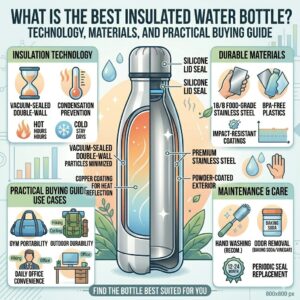
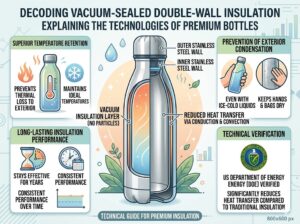
Most premium insulated bottles use double-wall vacuum insulation.
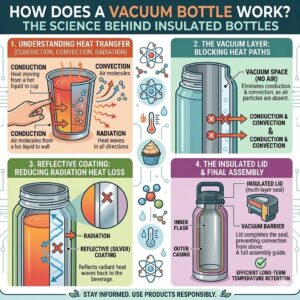
This design contains two stainless steel walls separated by a vacuum layer. Because a vacuum contains very few particles, it greatly reduces heat transfer through conduction and convection.
Benefits include:
- superior temperature retention
- prevention of exterior condensation
- long-lasting insulation performance
According to guidance from the U.S. Department of Energy, vacuum insulation significantly reduces heat transfer compared with traditional insulated containers. (See: [U.S. Department of Energy – Thermal Insulation Basics].)
Other Insulation Technologies
Some bottles use additional or alternative insulation methods.
Foam Insulation
Foam layers reduce heat transfer but typically offer shorter temperature retention compared with vacuum insulation.
Reflective Surface Coatings
Reflective interior surfaces can reduce radiant heat transfer. These coatings are often combined with other insulation techniques.
In general, vacuum-insulated stainless steel bottles remain the industry standard for high-performance drinkware.
Materials and Lids to Consider
Stainless Steel Grades and Coatings
Most high-quality insulated bottles are made from food-grade stainless steel, particularly 18/8 stainless steel (304 grade).
This material contains roughly:
- 18% chromium
- 8% nickel
These elements provide excellent resistance to corrosion, staining, and odor absorption.
The National Sanitation Foundation (NSF) recognizes stainless steel as a safe material for food-contact equipment when manufactured properly. (Reference: [NSF food equipment standards].)
Many bottles also include powder-coated exteriors, which improve grip and protect against scratches.
Lid Designs: Straw, Flip, and Screw
The lid type affects both convenience and leak resistance.
Straw Lids
Straw lids allow quick sipping without tilting the bottle and are popular for:
- workouts
- cycling
- daily hydration
However, they may be slightly less leak-proof.
Flip Lids
Flip-top lids offer a balance between convenience and sealing performance.
Screw Caps
Threaded screw caps generally provide the most reliable leak prevention, making them ideal for travel and outdoor use.
Size, Weight, and Portability
Capacity Options and Weight Trade-Offs
Insulated bottles are available in several sizes.
表格 还在加载中,请等待加载完成后再尝试复制
Larger bottles hold more liquid but add extra weight.
For example:
- 24 oz insulated bottle: about 350–450 grams
- 40 oz bottle: about 500–700 grams
Choosing the right capacity often depends on hydration needs and portability preferences.
Ergonomics and Compatibility with Backpacks
Bottle shape also affects usability.
Important ergonomic features include:
- slim designs for cup holders
- textured grips
- compatibility with backpack side pockets
Outdoor users often prefer narrow bottles that slide easily into pack pockets.
Durability, Safety, and Sustainability
Build Quality and Drop Resistance
Durability is essential for bottles used during travel, sports, or outdoor activities.
High-quality bottles typically feature:
- thicker stainless steel construction
- reinforced bases
- powder-coated surfaces
These features help prevent dents and scratches while protecting insulation performance.
BPA-Free Materials and Eco-Friendly Benefits
Many consumers also prioritize safety and environmental impact.
Most modern insulated bottles are labeled Bez BPA, meaning they do not contain Bisphenol A, a chemical once commonly used in plastics.
The U.S. Food and Drug Administration (FDA) regulates materials used in food-contact products to ensure they meet safety standards. (Reference: [FDA Food Contact Substance Guidance].)
Reusable bottles also reduce reliance on single-use plastic bottles, making them a more sustainable choice.
Maintenance and Care for Peak Performance
Cleaning Tips and Odor Prevention
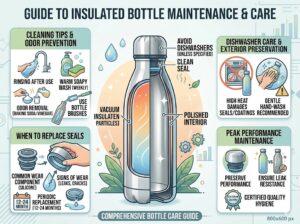
Proper maintenance helps preserve bottle performance and hygiene.
Recommended cleaning practices include:
- rinsing after each use
- washing weekly with warm water and mild soap
- using baking soda or vinegar to remove odors
Bottle brushes can help reach deep interior areas.
Unless specified by the manufacturer, avoid dishwashers because high heat may damage seals or exterior coatings.
When to Replace Seals
The most common wear component is the silicone sealing ring inside the lid.
Signs that seals should be replaced include:
- leaking lids
- visible cracks
- loss of elasticity
Replacing seals every 12–24 months helps maintain leak resistance.
How to Pick the Best Bottle for You: A Practical Buying Guide
Use-Case Scenarios
The best bottle depends on lifestyle needs.
Gym
Ideal features include:
- straw lid
- lightweight design
- 20–24 oz capacity
Hiking or Outdoor Use
Recommended features include:
- strong durability
- screw-top lid
- 32 oz or larger capacity
Office or Daily Commuting
Good options often include:
- compact design
- quiet lid operation
- cup holder compatibility
Budget Tips and Reputable Brands
Established brands often invest more in engineering and quality control.
Well-known options include:
- Hidro kolba
- YETI
- Stenlijs
- Klean Kanteen
These brands commonly use vacuum insulation and food-grade stainless steel.
However, many mid-range brands now provide similar insulation performance at lower prices.
Secinājums
So, what is the best insulated water bottle?
The answer depends on individual needs and daily usage.
The best-performing bottles typically combine:
- double-wall vacuum insulation
- food-grade stainless steel construction
- reliable leak-proof lids
- durable exterior coatings
Whether you need a bottle for the gym, hiking trails, or everyday commuting, choosing one with the right insulation technology, materials, and design features will ensure reliable performance.
Before purchasing, consider how you plan to use the bottle most often and select a model that fits those needs.
Bieži uzdotie jautājumi
How long do insulated water bottles keep drinks cold or hot?
High-quality vacuum-insulated bottles typically keep drinks cold for 12–24 hours un hot for 6–12 hours, depending on environmental conditions.
Are insulated water bottles safe?
Yes. Bottles made from food-grade stainless steel and BPA-free materials are considered safe for drinking.
Can insulated bottles keep drinks both hot and cold?
Yes. Vacuum insulation works in both directions, maintaining either hot or cold temperatures.
How do you clean an insulated water bottle without damaging it?
Use warm water, mild dish soap, and a bottle brush. Avoid harsh chemicals that could damage seals or coatings.