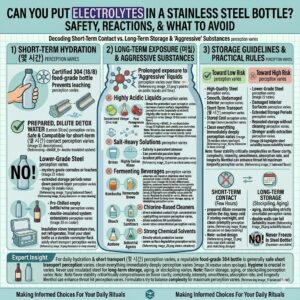
How to Disinfect a Stainless Steel Water Bottle Safely and Effectively
Reusable stainless steel water bottles are popular for their durability, sustainability, and ability to keep drinks hot or cold for hours. However, many people eventually notice odors, residue, or simply start wondering whether their bottle is truly clean.
If you are searching for how to disinfect a stainless steel water bottle, you are likely concerned about hygiene, bacteria, and safety. The good news is that stainless steel is one of the safest and easiest materials to clean—as long as the right methods are used.
This guide explains which disinfectants are safe for stainless steel, how to clean the inside of a stainless steel drink bottle, how to disinfect stainless steel at home, and how to sanitize larger stainless steel water tanks. All methods shared here are practical, food-safe, and suitable for everyday use.
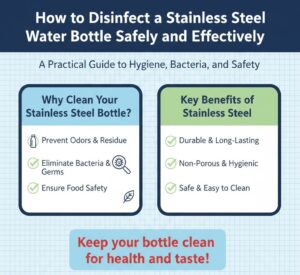
What Disinfectant Is Safe for Stainless Steel?
Not all cleaning products are safe for stainless steel—especially when the surface comes into contact with drinking water. Choosing the wrong disinfectant can damage the metal or leave harmful residue behind.
Food-Safe Disinfectants You Can Use
The safest disinfectants for stainless steel water bottles are simple and widely available household items:
White Vinegar Vinegar is acidic enough to kill many bacteria and neutralize odors. It is food-safe, inexpensive, and effective for regular disinfection.
Baking Soda Baking soda works well for removing smells and light residue. While it is not a strong disinfectant on its own, it is excellent when combined with warm water.
Hydrogen Peroxide (Low Concentration) A 3% hydrogen peroxide solution can be used occasionally for deeper sanitation. It should always be thoroughly rinsed afterward.
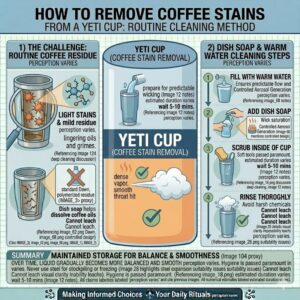
Mild Dish Soap and Hot Water For daily cleaning, warm water and a mild dish soap are often sufficient to remove germs and buildup.
These options are gentle on stainless steel and safe for containers used for drinking.
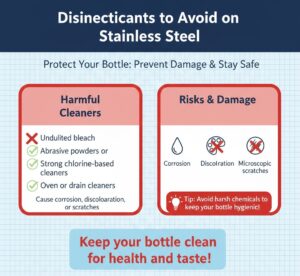
Disinfectants to Avoid on Stainless Steel
Some cleaners may seem effective but can damage stainless steel or create safety risks:
- Undiluted bleach
- Abrasive powders or scrubbers
- Strong chlorine-based cleaners
- Oven or drain cleaners
Using harsh chemicals repeatedly can cause corrosion, discoloration, or microscopic scratches that trap bacteria over time.
How to Clean the Inside of a Stainless Steel Drink Bottle
Cleaning the inside of a bottle is more important than cleaning the exterior. Moisture, warmth, and leftover liquid can create an environment where bacteria grow quickly.
Daily Cleaning vs Deep Cleaning
Daily cleaning removes fresh residue and prevents odors. Deep cleaning or disinfection is needed when:
- The bottle smells unpleasant
- Sugary drinks were stored
- The bottle hasn’t been cleaned for several days
- The bottle was used during illness
Both are important for long-term hygiene.
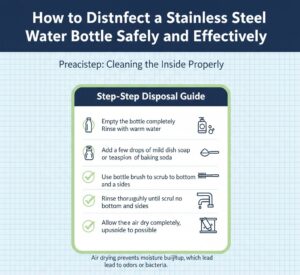
Step-by-Step: Cleaning the Inside Properly
- Empty the bottle completely
- שטפו במים חמים
- Add a few drops of mild dish soap or a teaspoon of baking soda
- Use a bottle brush to scrub the bottom and sides
- Rinse thoroughly until no residue remains
- Allow the bottle to air dry completely, upside down if possible
Air drying prevents moisture buildup, which can lead to odors or bacteria.
Removing Odors and Stubborn Residue
If your stainless steel bottle smells bad even after washing, try one of these methods:
Vinegar Soak Fill the bottle halfway with white vinegar and halfway with warm water. Let it sit for 15–30 minutes, then rinse thoroughly.
Baking Soda Overnight Add one teaspoon of baking soda and warm water. Leave overnight, then scrub and rinse.
Lemon and Hot Water Fresh lemon juice combined with hot water can help neutralize lingering odors naturally.
How to Disinfect Stainless Steel at Home
Home disinfection does not require harsh chemicals. In most cases, heat and mild natural disinfectants are enough.
Simple At-Home Disinfection Methods
Hot Water Method Pour hot (not boiling) water into the bottle and let it sit for several minutes. This helps reduce bacteria on smooth stainless steel surfaces.
Vinegar Disinfection Fill the bottle with a vinegar-water solution (1:1 ratio). Swirl, let sit, and rinse thoroughly.
Hydrogen Peroxide Method Pour a small amount of hydrogen peroxide into the bottle, rotate to coat the inside, wait a few minutes, then rinse multiple times.
These methods are effective when used regularly and safely.
How Long Should You Soak Stainless Steel?
Soaking time depends on the method:
- Vinegar: 15–30 minutes
- Baking soda: up to overnight
- Hydrogen peroxide: 5–10 minutes
Avoid soaking stainless steel for extended periods in strong acidic or chemical solutions, as this may affect the finish.
How to Sanitize a Stainless Steel Water Tank
Sanitizing a stainless steel water tank requires more care than cleaning a small bottle due to volume and usage.
Difference Between Bottles and Water Tanks
Water tanks:
- Hold larger volumes
- May store water long-term
- Require more thorough rinsing
Improper cleaning can affect water taste and safety.
Sanitizing a Stainless Steel Water Tank Safely
- Drain the tank completely
- Rinse with clean water to remove debris
- Use a diluted, food-safe disinfectant
- Allow the solution to contact all interior surfaces
- Rinse multiple times until no odor remains
- Air dry before refilling
Never use undiluted bleach or industrial cleaners in drinking water tanks.
When to Seek Professional Cleaning
Consider professional sanitation if:
- The tank has not been cleaned for a long time
- There is persistent odor or discoloration
- The tank is used for commercial or shared water supply
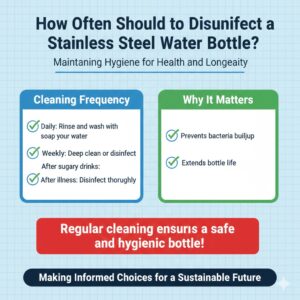
How Often Should You Disinfect a Stainless Steel Water Bottle?
Cleaning frequency depends on how the bottle is used.
- Daily: Rinse and wash with soap and water
- Weekly: Deep clean or disinfect
- After sugary drinks: Clean immediately
- After illness: Disinfect thoroughly
Regular cleaning prevents bacteria buildup and extends the life of the bottle.
Common Mistakes When Disinfecting Stainless Steel
Many hygiene issues come from small mistakes:
- Using harsh chemicals unnecessarily
- Not rinsing thoroughly
- Letting the bottle stay wet while sealed
- Scratching the interior with abrasive tools
Avoiding these mistakes keeps stainless steel safe and effective.
Is Stainless Steel Safe for Reusable Water Bottles?
Stainless steel is widely considered one of the safest materials for reusable bottles because:
- It is non-porous
- It resists bacterial growth
- It does not absorb odors easily
However, no material is self-cleaning. Proper hygiene is still essential.
Final Thoughts: Disinfecting Stainless Steel the Right Way
Disinfecting a stainless steel water bottle does not require strong chemicals or complicated steps. Simple, food-safe methods like vinegar, baking soda, mild soap, and hot water are usually enough.
The key is consistency. Regular cleaning, proper drying, and avoiding harsh products will keep your bottle hygienic, odor-free, and safe for long-term use.
FAQ
What disinfectant is safe for stainless steel water bottles? Food-safe options such as white vinegar, baking soda, mild dish soap, and diluted hydrogen peroxide are safe when properly rinsed.
How do you clean the inside of a stainless steel drink bottle? Use warm water, mild soap, and a bottle brush. Rinse thoroughly and allow the bottle to air dry.
Can you disinfect stainless steel with vinegar? Yes. Vinegar is effective for odor removal and light disinfection when diluted and rinsed properly.
Is bleach safe for stainless steel water bottles? Bleach should be avoided or used only in very diluted form and rinsed thoroughly, as it can damage stainless steel.
How often should you disinfect a reusable water bottle? Daily washing is recommended, with deeper disinfection weekly or after storing sugary drinks or illness.